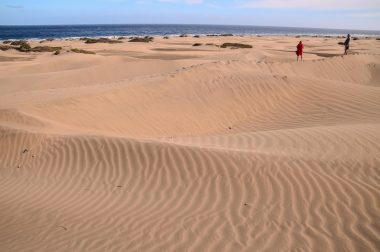

The Maspalomas Dunes are one of Gran Canaria’s most distinctive landscapes, but they are not an unrestricted sand playground. They form part of a protected nature reserve in the south of the island, between Playa del Inglés and Maspalomas, and visitors should stay within marked routes and permitted areas to protect the dune system, the Maspalomas lagoon and local wildlife.
For a first visit, the simplest plan is to combine a viewpoint, a walk through the permitted routes, the beach and Maspalomas Lighthouse in one outing. Allow roughly two to four hours depending on whether you want a short walk or also plan to spend time by the sea.
Where are the Maspalomas Dunes?
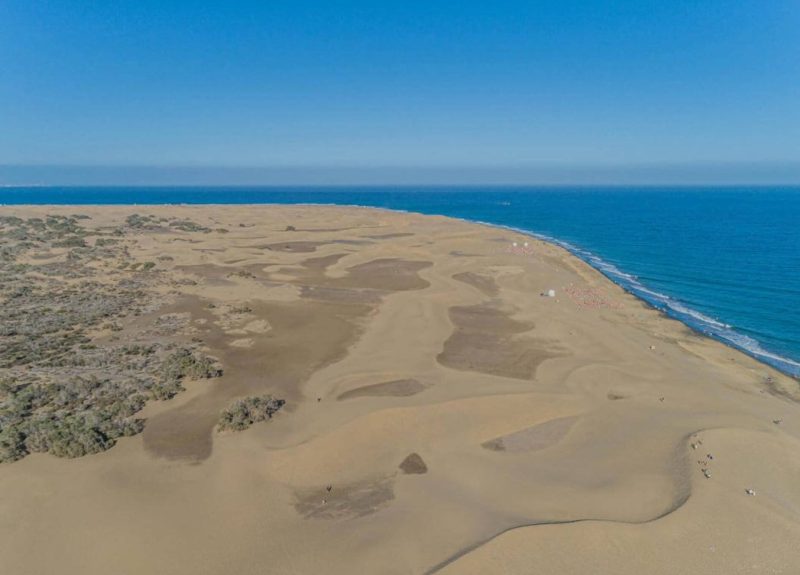
The reserve lies in the municipality of San Bartolomé de Tirajana, at the southern tip of Gran Canaria. It links the resort areas of Playa del Inglés and Maspalomas and brings together three contrasting environments: the dune field, a palm grove and the Charca de Maspalomas lagoon.
The area is protected because it is environmentally sensitive. Official visitor guidance is clear: use the marked paths and permitted areas and follow all signs and barriers. Check the latest conservation advice on the official Gran Canaria tourism website.
Best entrance and route for a first visit
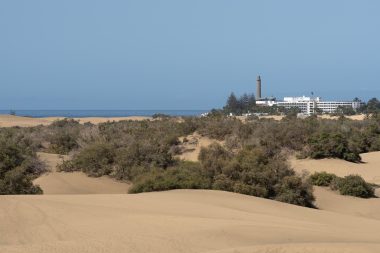
One of the easiest access points is beside the Riu Palace Maspalomas in Playa del Inglés. A viewpoint here gives you a good sense of the scale of the dune field before you start walking.

From this side you can follow the authorised itineraries towards the coast. Another good option is to start near Maspalomas Lighthouse, walk beside the lagoon and continue towards the beach and the edge of the dune system.
You do not need to cross the entire reserve to enjoy it. With children, in hot weather or if you simply want a shorter visit, the viewpoint plus part of a marked route is enough.
How much time do you need?
- Quick visit: around 45–60 minutes for the viewpoint and a short section of the paths.
- Full visit: around 2–3 hours to walk at an easy pace and reach the beach area.
- Half day: around 3–4 hours if you add swimming, the lighthouse, the lagoon and a meal.
Walking on sand is more tiring than it looks and shade is limited. Take water, comfortable footwear, a hat and sunscreen even in winter. If you are travelling between December and February, our Gran Canaria in winter guide explains typical temperatures, wind and what to pack.
Best time of day to visit
Early morning and late afternoon usually offer more comfortable temperatures and better light. Midday can feel harsh on sunny days because the sand reflects heat and there is very little shade.
For photography, the first and last hours of daylight often emphasise the shapes of the dunes. If you want a quieter experience, avoid peak visitor periods and busy public holidays.
Conservation rules: what not to do
The Maspalomas Dunes are a Special Nature Reserve, not an unrestricted recreation area. Protection measures cover the moving dunes as well as vegetation, wildlife and the Charca de Maspalomas.
- Walk only on permitted paths and areas.
- Respect barriers, markers and signs.
- Do not remove sand, plants, stones or other natural material.
- Take all rubbish with you.
- Do not enter closed areas for photographs.
These rules matter because off-route foot traffic damages vegetation and disrupts the natural processes that keep the dune system functioning.
Charca de Maspalomas and the lighthouse
At the western end of the reserve is the Charca de Maspalomas, a small coastal wetland that is important for migratory birds. Observe it from the permitted viewpoints and avoid disturbing wildlife.

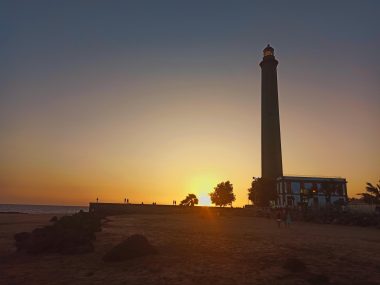
The Maspalomas Lighthouse is only a short walk away and marks the start of the Meloneras promenade, where you will find restaurants and terraces. It is a convenient place to finish the visit without moving the car again.
How to get there and parking
Road access from elsewhere on Gran Canaria is straightforward via the GC-1. For navigation, use either Maspalomas Lighthouse or the Riu Palace Maspalomas viewpoint area, depending on where you want to start.
There is street parking and private parking in the surrounding resort areas, but spaces can be harder to find at busy times. If you are staying in Maspalomas or Playa del Inglés, walking, taking a taxi or using public transport may be easier than driving for a short visit.
What to combine with the dunes
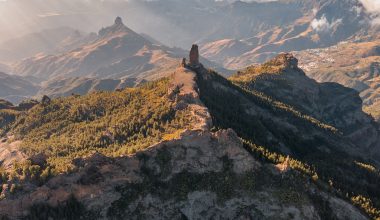
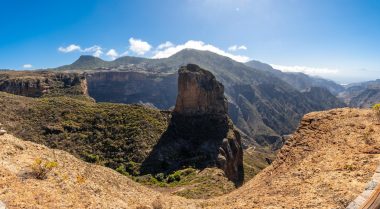
If you have a full day in the south, combining the dunes with the beach and Meloneras works well without extra driving. For a mountain day, see our Roque Nublo guide, which explains the current reservation and access system.
For another striking landscape, the Barranco de las Vacas offers a completely different geological stop in the southeast. If you prefer a relaxed coastal day, our Puerto de Mogán guide is also useful.
Frequently asked questions
Do you have to pay to visit the Maspalomas Dunes?
There is no general entrance fee for the public routes through the reserve. You still need to follow all current access restrictions and signs.
Can you visit the dunes with children?
Yes. For families, the viewpoint and a shorter route usually work best. Avoid the hottest part of the day and carry enough water.
Can you watch sunset from the dunes?
Yes, and late afternoon is one of the most attractive times for both light and temperature. Plan your return before dark and stay within permitted routes.