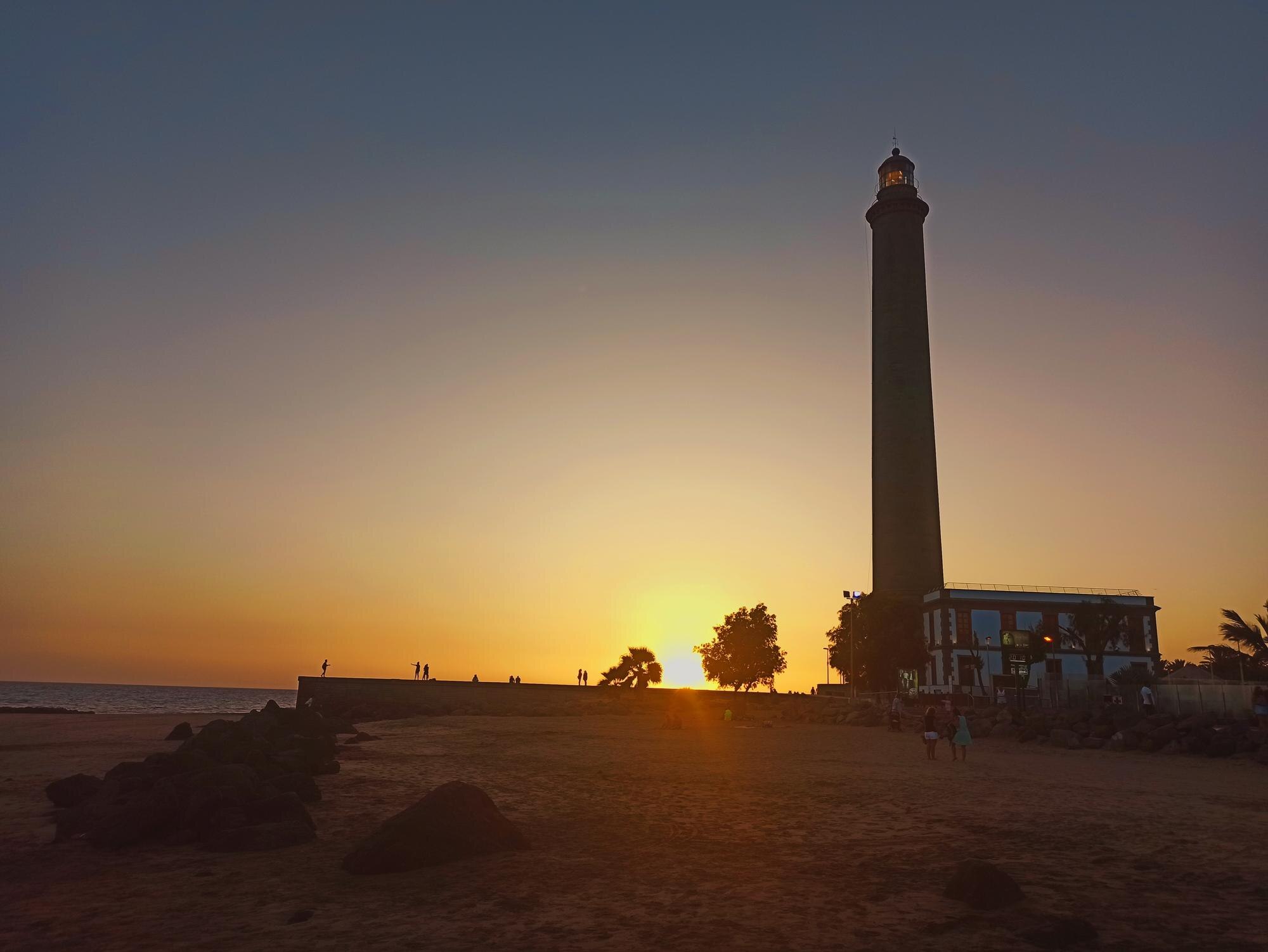

How much does a Gran Canaria holiday cost? As a planning guide, excluding flights and assuming two people share a room, allow roughly €85 per person per day for a budget trip, €150 for a mid-range trip and €240 or more for a more comfortable stay. These are editorial planning scenarios, not official rates or guaranteed prices.
Real spending varies greatly with season, accommodation, eating out, car hire and activities. For context, ISTAC reported average tourist spending in the Canary Islands of €178.16 per day in 2025. That figure covers many very different travel styles and should not be treated as what you personally need to spend.
Quick budget for 3, 5 and 7 days
These examples exclude flights and assume accommodation is shared by two people. Use them as a starting point, then replace them with your actual booking prices.
| Trip length | Budget | Mid-range | Comfortable |
|---|---|---|---|
| 3 days | €255 | €450 | €720+ |
| 5 days | €425 | €750 | €1,200+ |
| 7 days | €595 | €1,050 | €1,680+ |
The table simply applies the three daily planning scenarios above. It excludes flights and may be too low during peak-demand dates or if you choose higher-end hotels, restaurants and activities.
Accommodation: the cost that can vary most
There is no single useful average accommodation price for every date. Christmas, New Year, Easter, school holidays and major events can push rates up sharply, and there are large differences between apartments, city hotels, resorts and rural stays.
Always compare the total cost for your own dates. A slightly more expensive hotel in a better location can reduce taxi journeys or the number of days you need a car. Our where to stay in Gran Canaria guide helps you choose a base by travel style.
Food: one of the easiest costs to adjust
Food spending is flexible without having to compromise the whole trip. On a tighter budget, combine supermarket food, simple breakfasts and selected meals out. For a mid-range trip, leave room to eat at restaurants daily. If food is one of your priorities, treat it as an experience and give it a separate part of the budget.
We do not give a fixed average meal price because it varies too much by area and venue. Checking the menu before sitting down is more reliable than relying on a generic figure.
Transport: buses, hire car and taxis
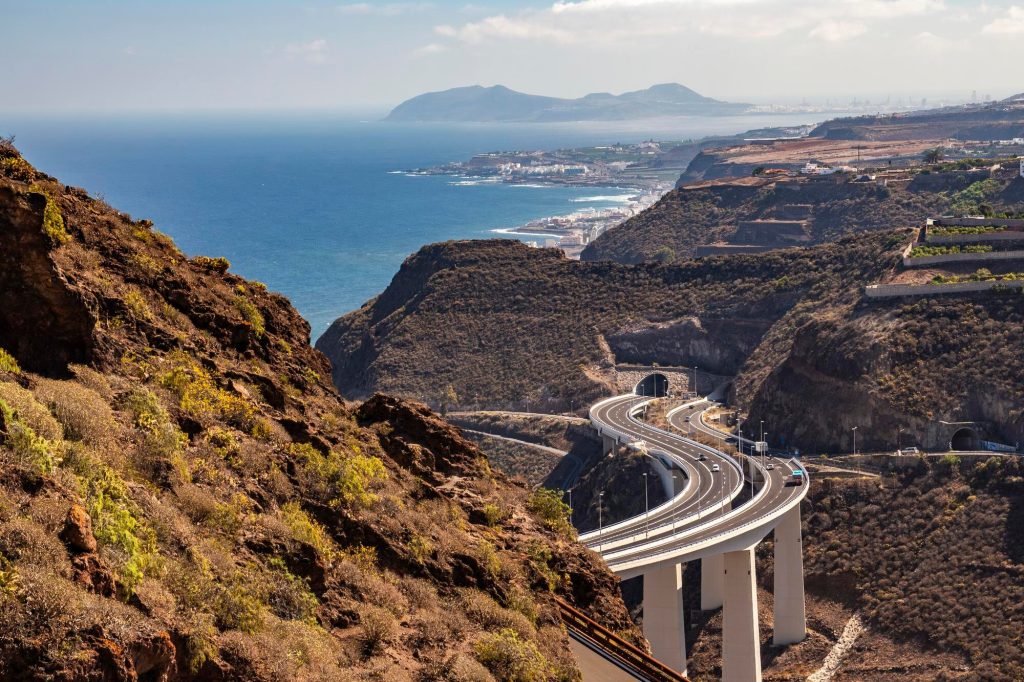
Buses are usually the cheapest option on well-connected routes; a hire car becomes more useful for the mountains, villages and rural areas; and taxis are convenient for occasional direct journeys. Global publishes current fares in its official fare finder, so we avoid fixing prices here that may change.
If you are flying in, plan your airport transfer according to your accommodation area. To decide whether you need a car every day, compare the options in getting around Gran Canaria.
Activities: how much should you allow?
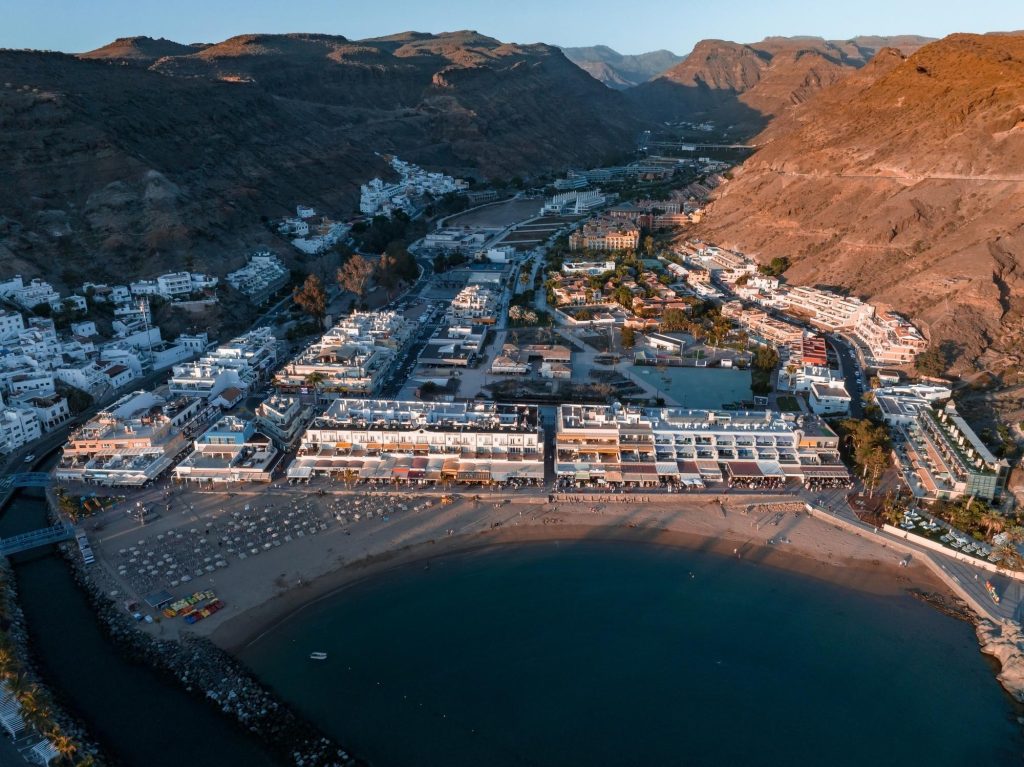
You do not need to pay for an activity every day. Beaches, city walks, villages and many viewpoints help keep costs balanced. Set aside money for one or two experiences that genuinely add something different, such as a boat trip, water activity, guided visit or food experience. One local option is a guided visit to Arehucas Distillery with rum tasting.
Prices depend on the activity, date and provider. Check the current price and availability of Gran Canaria Plan experiences before adding them to your budget.
Approximate budget for 3 days
Editorial planning figure per person, excluding flights and sharing accommodation: around €255 for a budget trip, €450 for a mid-range trip and from €720 for a more comfortable stay.
For a short break, using one base and avoiding unnecessary cross-island journeys usually works best. Our Gran Canaria in 3 days itinerary groups the main areas efficiently.
Approximate budget for 5 days
Editorial planning figure: around €425 per person for a budget trip, €750 for mid-range and from €1,200 for a comfortable trip, excluding flights.
Five days make it easier to spread costs such as car hire and include an activity. A Gran Canaria in 5 days itinerary can help you work out which days genuinely need more transport when that guide is available.
Approximate budget for 7 days
Editorial planning figure: around €595 per person for a budget trip, €1,050 for mid-range and from €1,680 for a comfortable week, excluding flights.
Over a week, it is easy to alternate free or low-cost days with one or two paid experiences. A Gran Canaria in 7 days itinerary can help you group visits geographically when that guide is available.
How to save money without making the trip worse
- Compare flights and accommodation by final price, including baggage, breakfast or applicable fees.
- Do not hire a car automatically. You may only need one for part of the trip.
- Group visits by area to reduce fuel, taxi costs and wasted time.
- Mix restaurants with simple meals if you want to reserve more of the budget for experiences.
- Avoid peak-demand dates if your schedule is flexible. Flight and accommodation differences can outweigh small daily savings.
- Keep a small contingency for parking, fuel, baggage or a last-minute activity.
If your dates are flexible, our best time to visit Gran Canaria guide explains how weather, demand and travel style change through the year.
Frequently asked questions
Does this budget include flights?
No. Airfares vary too much by origin, date and baggage. Find your real flight price first and add it to your on-island budget.
Is it cheaper to hire a car or use buses?
For one person or a couple travelling on well-connected routes, buses are usually cheaper. A car can make sense for groups or inland routes, but remember to include hire, fuel and parking.
Which costs are easiest to reduce?
Once accommodation is booked, food, transport and activities usually offer the most flexibility. Cutting unnecessary journeys often improves both the budget and the pace of the trip.