
The best way to get around Gran Canaria depends on where you stay and how much of the island you want to explore. A hire car gives you the most freedom for the mountains, villages, viewpoints and rural areas; buses work well in Las Palmas de Gran Canaria and along much of the tourist coast; taxis are useful for direct journeys; and organised tours can simplify days when you would rather not drive.
You do not need a car every day. Coastal roads make many journeys straightforward, while the interior is slower because of winding roads and elevation changes. For many trips, combining several transport options is more practical than relying on just one.
Quick comparison: car, bus, taxi or tour
| Option | Best for | Main advantage | Main limitation |
|---|---|---|---|
| Hire car | Mountains, villages and road trips | Flexibility | Parking and mountain roads |
| Bus | Capital and tourist coast | Low cost and simplicity | Less freedom in rural areas |
| Taxi | Direct journeys | Door-to-door convenience | Cost on longer trips |
| Organised tour | Specific day trips | Transport and logistics handled | Less flexible timings |
Hiring a car: when it is worth it
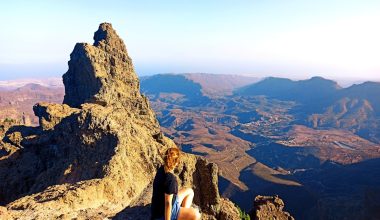
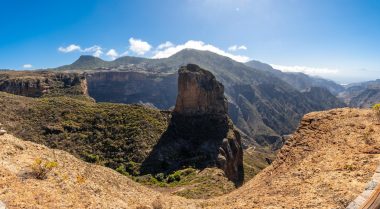
A car is especially useful if you want to explore Tejeda, Agaete, ravines, viewpoints and other inland areas on your own schedule. It can also make sense for families, accommodation away from major resorts or multi-day itineraries with several stops.
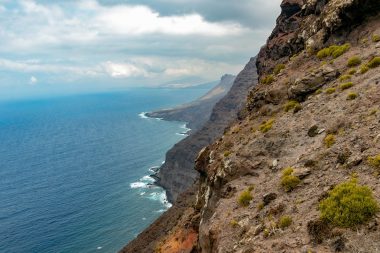
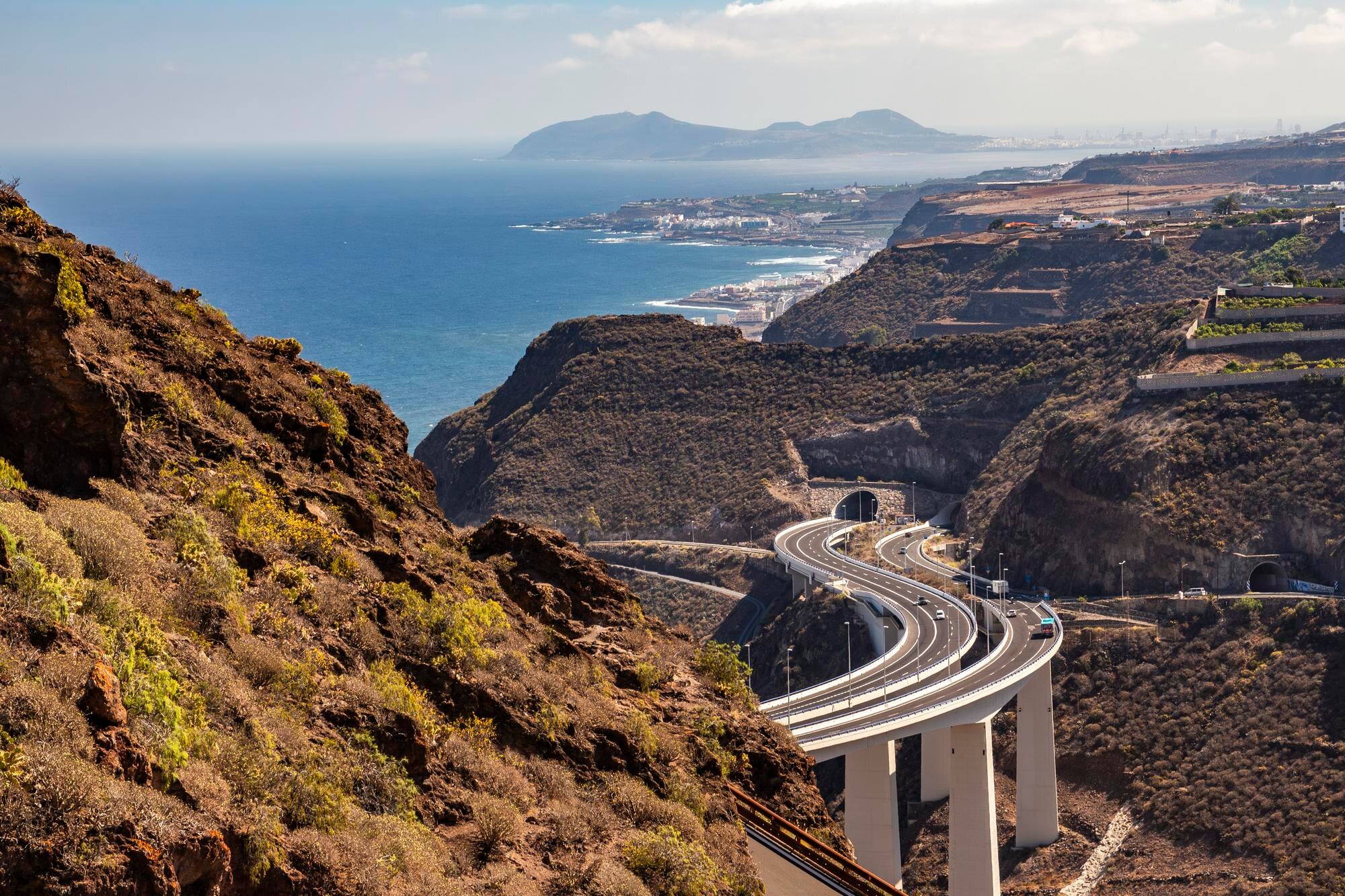
The main coastal motorways are relatively easy to use, but mountain roads can be narrower, winding and steep. Do not estimate journey times from distance alone, and avoid packing too many inland stops into one day.
If you stay in Las Palmas de Gran Canaria, Maspalomas or Playa del Inglés and only want one or two mountain days, hiring a car just for those days can be more efficient.
Buses: most useful for the coast and city
Global operates Gran Canaria’s regular interurban bus network, connecting the capital, airport, main tourist areas and many municipalities. It works particularly well along the coastal corridors. Smaller villages and multi-stop inland routes can take longer and may require connections.
Routes and timetables can change, so check the official Global timetable before a day with tight connections. The current network includes, among others, line 60 between Las Palmas and the airport, line 66 between the airport and Faro de Maspalomas, line 90 between Telde and Faro de Maspalomas, and line 91 between Las Palmas and the southwest.
Within Las Palmas de Gran Canaria, Guaguas Municipales runs the urban bus network, which you can combine with Global for journeys outside the capital.
Taxis: useful for specific journeys
A taxi makes sense when you want a direct transfer, have luggage, arrive late or want to avoid an awkward connection. It can also be reasonable for several people sharing the fare on a short or medium-distance trip.
For longer distances, a taxi is usually more expensive than the bus. At Gran Canaria Airport, use the official taxi rank outside the terminal; Aena publishes the current taxi fares and supplements.
Organised tours: when they add value
An organised excursion can be the best choice if you do not want to drive on mountain roads, prefer a ready-made route or need specific transport for an activity. This is particularly useful for some highland, hiking or marine days.
You do not need organised tours for everything. A practical combination is to use buses for the city and coast, then book an experience only when transport, guiding or logistics genuinely make the day easier. You can browse Gran Canaria Plan experiences.
Getting around Las Palmas de Gran Canaria
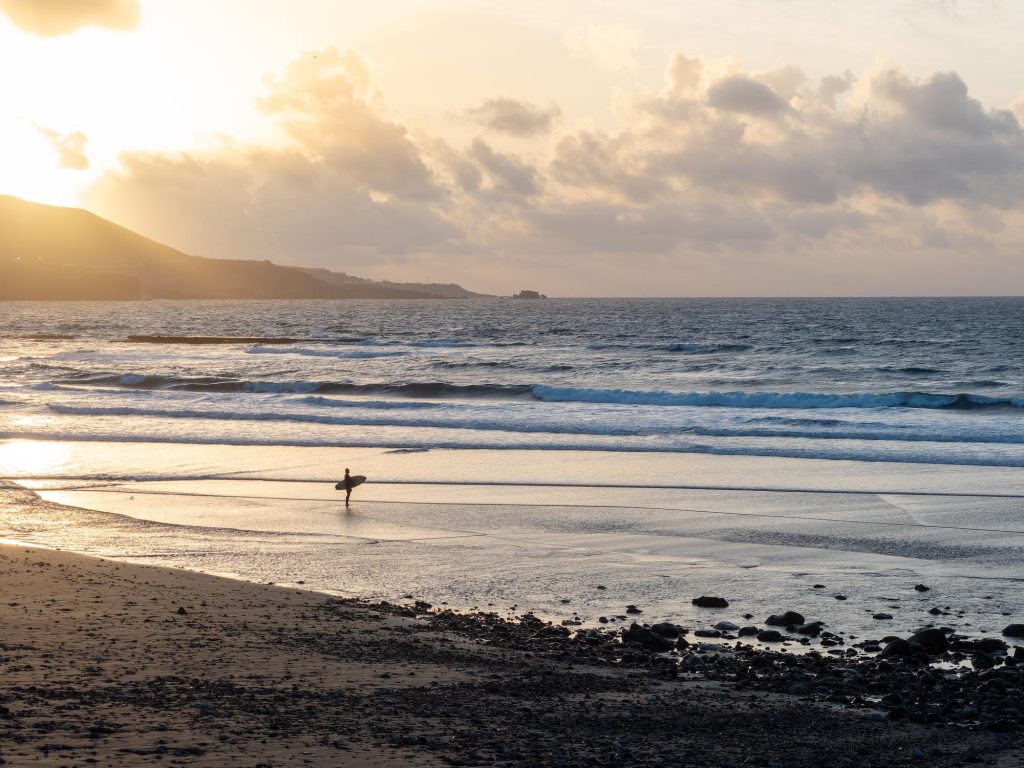
You can easily spend several days in Las Palmas de Gran Canaria without a car. Vegueta, Triana and Las Canteras combine well on foot, by city bus and by taxi. If your accommodation has no parking, keeping a hire car unused can be more hassle than help.
If you plan to explore the island from the capital, consider hiring a car only for days heading into the mountains, Agaete or other less connected areas.
Getting around Maspalomas, Playa del Inglés and Meloneras
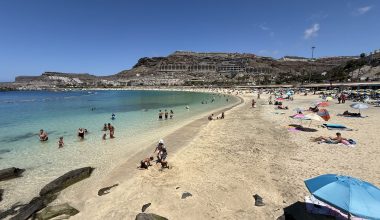
In the main southern resorts, walking, buses and taxis are easy to combine. If your trip is mainly about the beach, hotel time and one or two excursions, you do not need a car every day.
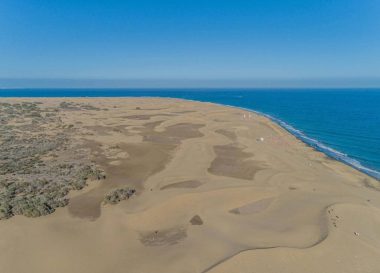
For example, if you stay around Maspalomas or Playa del Inglés, you can visit the Maspalomas Dunes without your own vehicle.
Puerto Rico and Puerto de Mogán
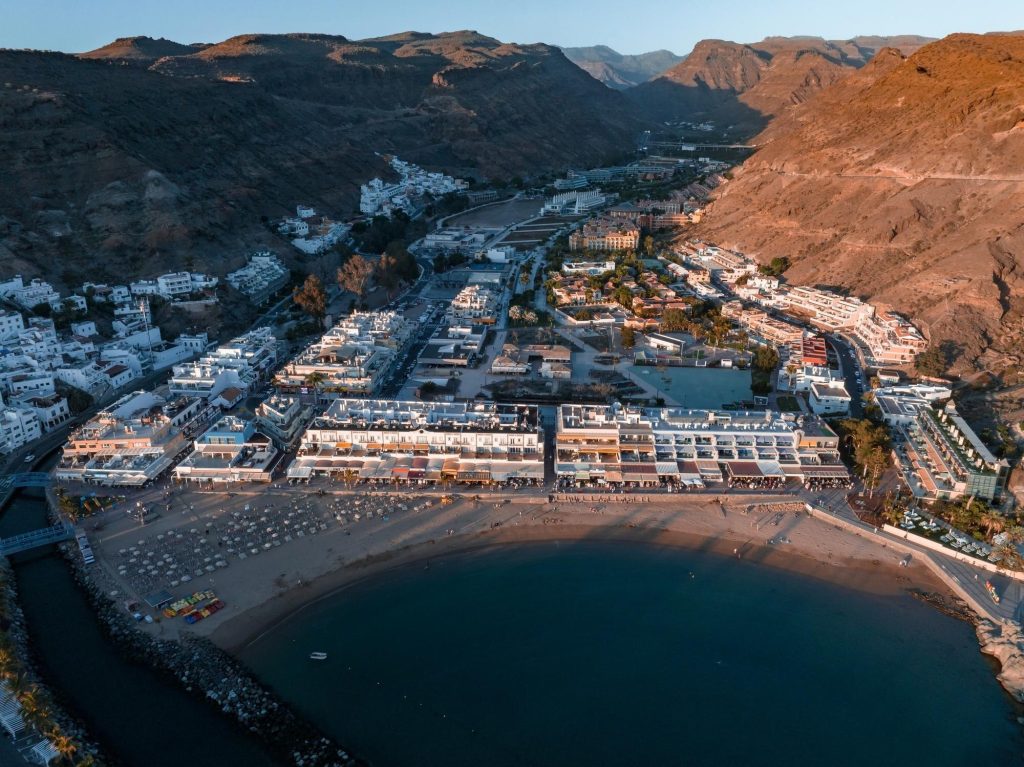
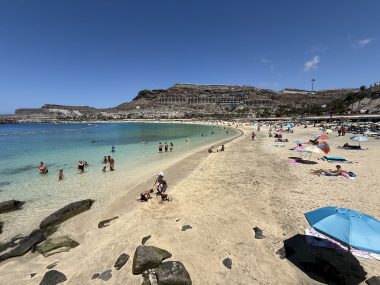
Puerto Rico and Puerto de Mogán are both on the southwest interurban corridor and can be reached by bus from other main resorts. If you only want a day at the marina or beach, a car is not essential.
For practical details without repeating them here, see our Puerto de Mogán guide.
Inland and mountains: where planning matters most

The difference between a car and public transport is most noticeable inland. Some villages have bus connections, but timetables can limit routes with several stops. A car gives you more freedom, although you should be comfortable driving on mountain roads.
Roque Nublo requires specific planning for access, reservations and parking. Use our updated Roque Nublo guide rather than relying on older information.
Can you explore Gran Canaria without a car?
Yes, as long as you adapt the itinerary. Las Palmas, the airport, Maspalomas, Playa del Inglés, Puerto Rico and Puerto de Mogán are well connected. For the highlands, ravines or small villages, expect longer journeys, fewer stops or the need for an organised excursion.
If your priority is relaxing in one area with two or three day trips, travelling without a car is entirely realistic. If you want to cover much of the island in a few days, hiring one for part of the stay is usually more efficient.
Frequently asked questions
Do you need to hire a car in Gran Canaria?
No. For a stay focused on Las Palmas or the main southern resorts, buses and taxis can be enough. A car becomes much more useful for the highlands, inland villages or several areas in one day.
Are buses good in Gran Canaria?
The main coastal, capital and airport connections are practical. Rural areas have fewer direct services, so check timetables before building a detailed route.
Is driving in Gran Canaria difficult?
The main coastal roads are relatively straightforward. Driving inland needs more care because of bends, elevation changes and narrower sections. If mountain roads make you uncomfortable, an organised excursion can be the better choice.