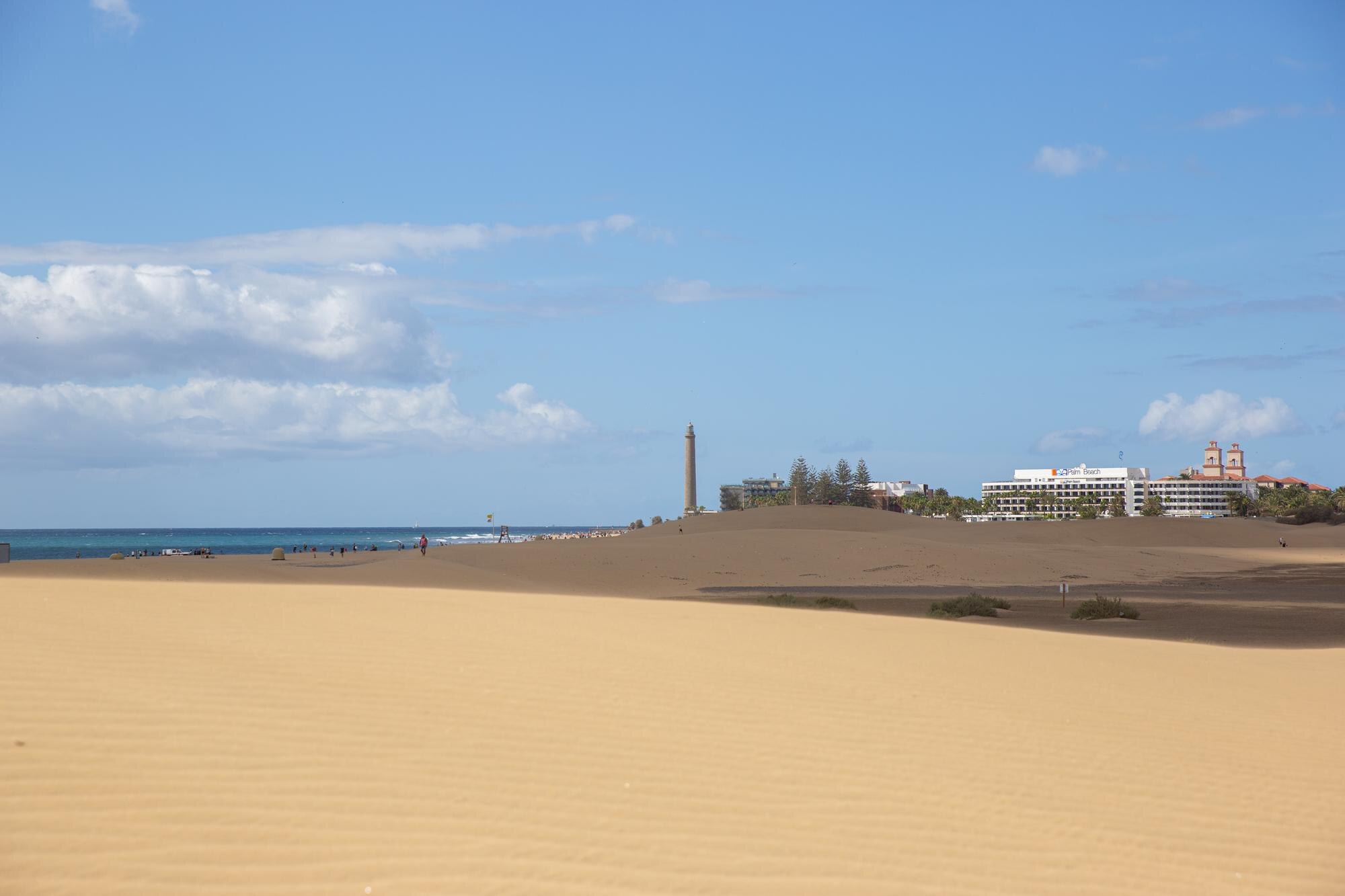

The best time to visit Gran Canaria depends more on the type of trip you want than on finding one perfect month. For beach weather and sunshine, the south and southwest work well through much of the year; for hiking, the cooler months are usually more comfortable; and if you want lower demand and potentially better value, avoid Christmas, New Year, Easter and the main school-holiday periods.
Gran Canaria has a mild climate, but it is not uniform. The island’s relief creates microclimates: Maspalomas or Mogán can be sunny while the north is cloudier and the highlands are much cooler. Island-wide averages are therefore only a reference and never a substitute for the forecast in the area you plan to visit.
Gran Canaria month by month: quick overview
| Month | What to expect | Best for |
|---|---|---|
| January | Mild on the coast, cooler in the mountains | Hiking and winter sun |
| February | Similar to January | Beach, walking and short breaks |
| March | Transition into spring | Mixed itineraries |
| April | Comfortable temperatures | Hiking and coast |
| May | Often settled conditions | Beach and touring |
| June | Warmer with long daylight hours | Beach holidays |
| July | Summer heat and strong sunshine | Coast and family holidays |
| August | One of the warmest periods | Beach and water activities |
| September | Warm sea and summer feel | Beach with a calmer rhythm |
| October | Mild and versatile | Beach and hiking |
| November | More variable away from the south | Short breaks and walking |
| December | Mild winter conditions on the coast | Winter sun and Christmas trips |
This table is an orientation, not a forecast. For climate reference, AEMET publishes official climatological normals, while Gran Canaria’s official tourism information explains how relief and altitude affect conditions across the island.
Best time for a beach holiday
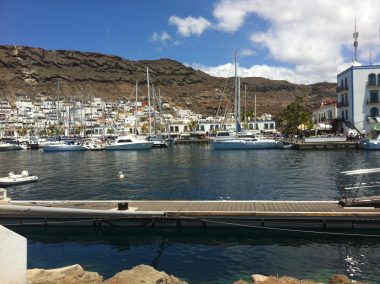
If the beach is your priority, the south and southwest offer good possibilities all year. Maspalomas, Meloneras, Puerto Rico, Amadores and Puerto de Mogán are practical bases because of their orientation, beaches, services and accommodation.
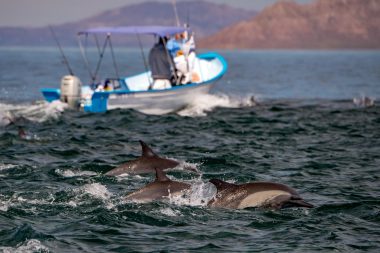
June to October generally feels more summery, but winter is not a poor choice. December, January and February can still bring many beach-friendly days in the south, although sea conditions, wind and water temperature vary. For that season, see our Gran Canaria in winter guide. Thanks to the mild climate, you can also consider a dolphin and whale watching trip from Mogán as part of your time on the coast.
Best time for hiking
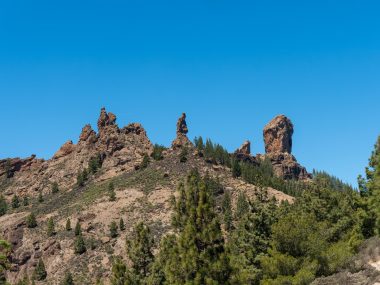
Autumn, winter and spring are usually the most comfortable periods for walking in the highlands and mid-altitude areas, provided you check the forecast and avoid adverse conditions. Tejeda, Roque Nublo and other inland destinations can feel completely different from the coast because of altitude.
Hiking is still possible in summer, but routes, start times and exposure need more care. If Roque Nublo is part of your plan, use our updated Roque Nublo guide because access and reservations are regulated.
Winter: December, January and February
Winter is one of the most attractive seasons for travellers escaping colder European weather. At Gran Canaria Airport, AEMET climatological normals for December, January and February put average temperatures at roughly 18–19 °C and average daytime highs around 21–22 °C. These are long-term averages for a station on the east coast, not a promise for every area or day.
The south may offer beach weather while the mountains require a jacket. Christmas and New Year also tend to bring stronger demand, so flights and accommodation are worth booking earlier if you travel then.
Spring: March, April and May
Spring works well if you want to combine the coast, villages and hiking. Temperatures are often comfortable for long days outdoors without the stronger summer heat, although wind, cloud or rain can still affect individual days.
April and May are particularly versatile if you have flexible dates. Easter can increase demand significantly, so spring should not automatically be treated as a low-cost season.
Summer: June, July and August

Summer suits beach days, swimming pools and water activities, but exposed inland routes need more caution. July and August also overlap with school holidays and can bring stronger demand for accommodation and flights.
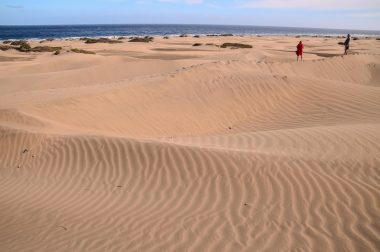
If you visit the Maspalomas Dunes, avoid the hottest part of the day and stay on permitted routes. For mountain trips, check weather warnings and temperatures before setting out and carry enough water.
Autumn: September, October and November
September and October can offer an excellent balance between beach time and outdoor activities. The sea retains summer warmth, while outside specific holiday periods the pace can feel calmer than in August.
November is more variable, particularly in the north, mid-altitude areas and highlands. If reliable sunshine is your main goal, staying in the south or southwest and keeping excursions flexible is a sensible strategy.
When to travel for fewer crowds or better value
There is no guaranteed “cheap month”. Flight and accommodation prices depend on origin, occupancy, events, school calendars and how far ahead you book. As a general planning rule, you often have more flexibility outside Christmas and New Year, Easter and the busiest school-holiday periods.
If you can move your dates, compare several weeks rather than choosing a month first. For a complete cost estimate, see our Gran Canaria holiday cost guide.
North, south or mountains: the season feels different
The south and southwest are generally drier and sunnier; the north is greener and more humid; and the mountains are cooler because of altitude. These differences make it possible to change plans within the island, but they also explain why a single forecast for “Gran Canaria” can be misleading.
If you are still choosing your base, our where to stay in Gran Canaria guide compares the main areas for beach holidays, city breaks, families and touring.
Frequently asked questions
What is the best month to visit Gran Canaria?
There is no single best month. September and October can be excellent for beach trips; spring, autumn and winter usually suit hiking well; and December to February are popular for winter sun.
Does it rain a lot in Gran Canaria?
Rainfall varies considerably by area. The north and mid-altitude zones are generally more humid than the south and southwest, while the highlands have their own conditions. Check the forecast by location and altitude.
When is Gran Canaria quieter?
It varies by year and visitor market. If you want a calmer trip, avoid major holiday periods and compare spring or autumn dates outside school breaks and busy event weeks.